
Oklahoma Window Tinting Laws
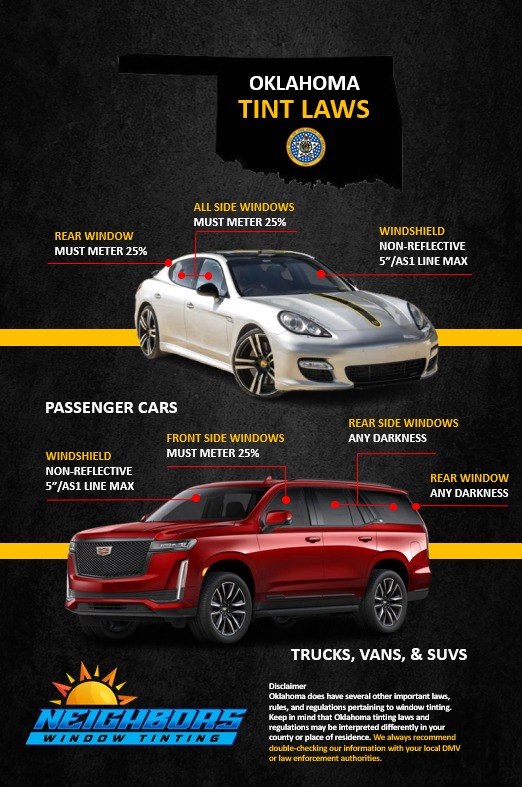
| Oklahoma Window Tint Law: | ||
|---|---|---|
| Sedan | MPV | |
| Windshield | AS-1 | AS-1 |
| Front Side | 25% | 25% |
| Back side | 25% | Any |
| Rear window | 25% | Any |
Stay Cool & Stay Legal with Oklahoma Window Tint
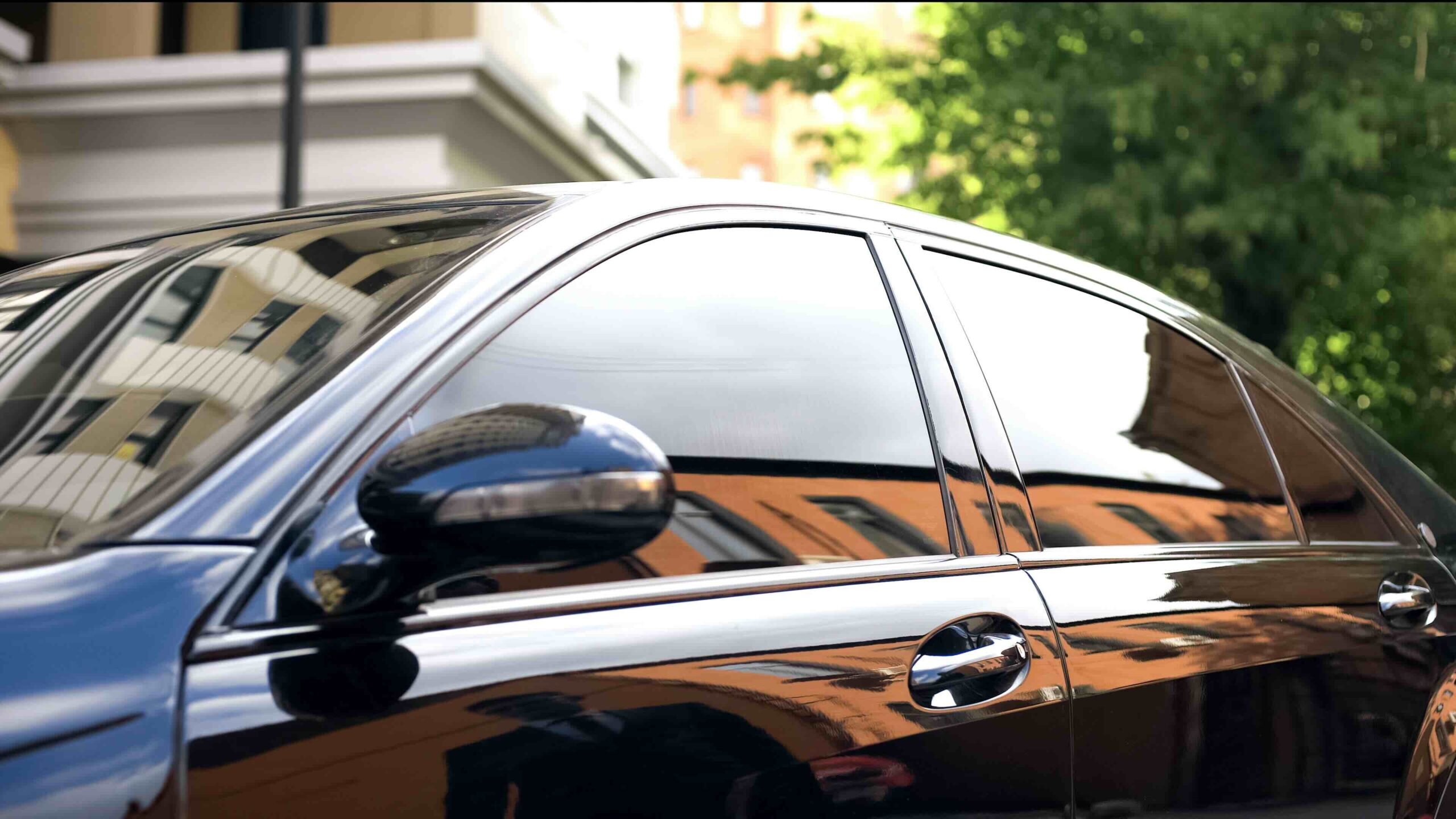
Not all tint is created equal — and not all tint is legal. Oklahoma has clear rules for how dark you can go on your front windows, windshield, and rear glass. We install films that not only improve comfort and style but also keep your car 100% street legal in Oklahoma.
Oklahoma Tint Laws at a Glance
Windshield: Non-reflective tint allowed above the AS-1 line or top 5 inches.
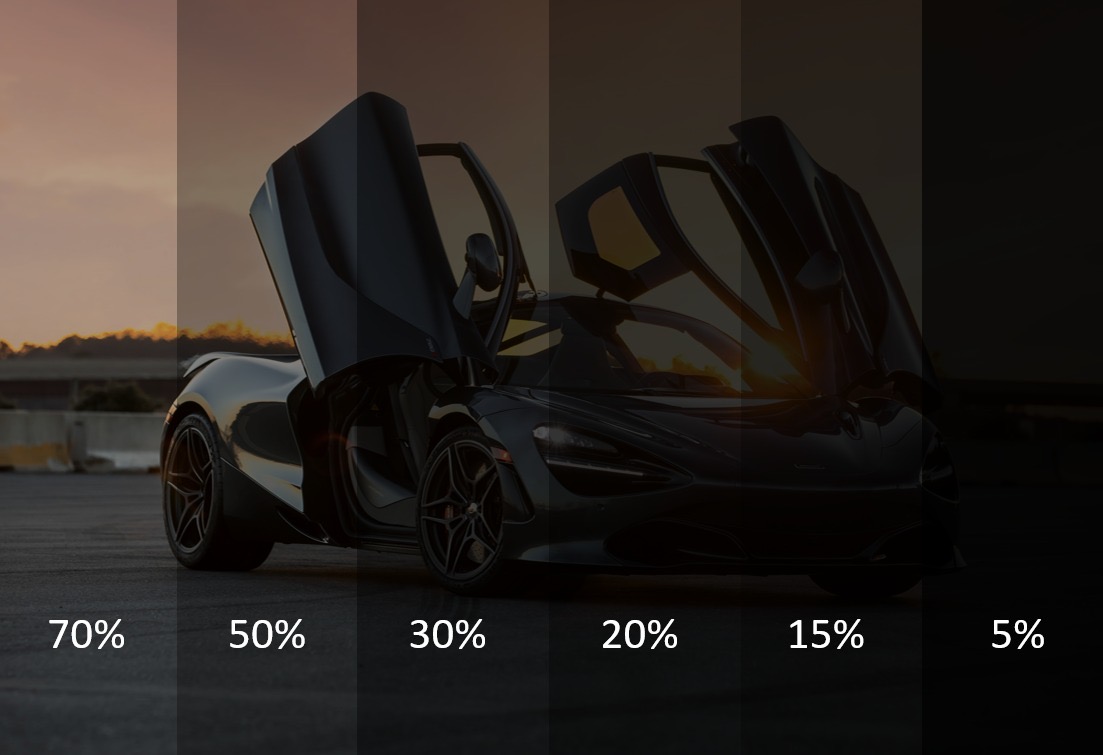
Front side windows: Must allow at least 25% of light in (25% VLT).
Rear side & rear windows: Darker tints are permitted.
Reflectivity: No mirrored or highly reflective films.
Medical exemptions: Available with state-approved documentation.
Why Choose Us?
We know the Oklahoma tint laws inside and out — so you won’t have to worry about tickets or inspections. Our XPEL films also block heat, protect your skin from harmful UV rays, and give your car a sleek, premium look.
What is legal window tint in Oklahoma?
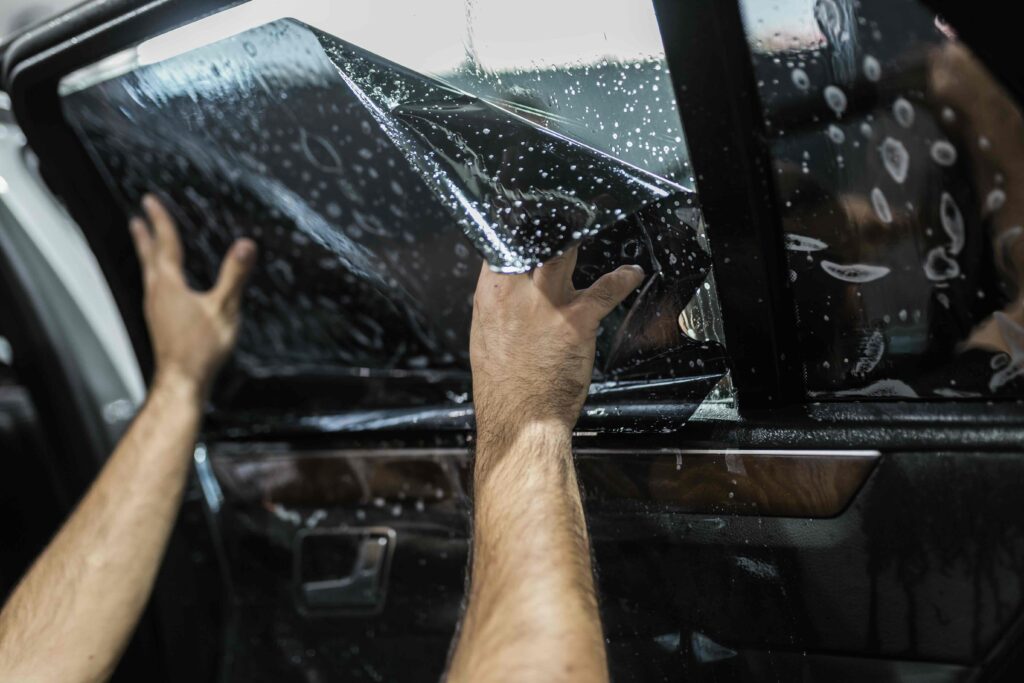
At Neighbors Window Tinting, we do more than install great film—we make sure your tint meets Oklahoma’s legal standards. Our technicians understand the state’s regulations for sedans, SUVs, and trucks, so you can enjoy the benefits of tinted windows without worrying about compliance. From expert installations to trusted customer care, we’ve helped thousands of drivers across Edmond and Oklahoma City get results that look sharp and follow the law.


PENALTIES FOR NON-COMPLIANCE
Fines and Legal Consequences
Maintain optimal comfort and a spotless appearance with up to 88% infrared heat rejection. Oklahoma law enforcement takes tint regulations seriously. If your windows are darker or more reflective than what’s allowed, you could receive a ticket and be fined. Repeat violations may lead to higher penalties, making compliance not just a matter of safety but also a financial decision. Beyond fines, drivers may also be required to remove and replace illegal tint at their own expense. This means paying twice for tinting—once for removal and again for a legal installation—adding unnecessary cost and hassle.
Registration and Inspection Issues
Illegal tint can also cause complications with your vehicle’s paperwork. Non-compliant tint may raise flags during inspections or when renewing registration, which can delay your ability to keep your vehicle legally on the road. By ensuring your tint meets state guidelines from the start, you avoid setbacks, extra fees, and wasted time. Staying compliant means your vehicle remains street-legal without interruptions.
Window Options
Front windshield
Rear windshield
Front side windows
Rear side windows
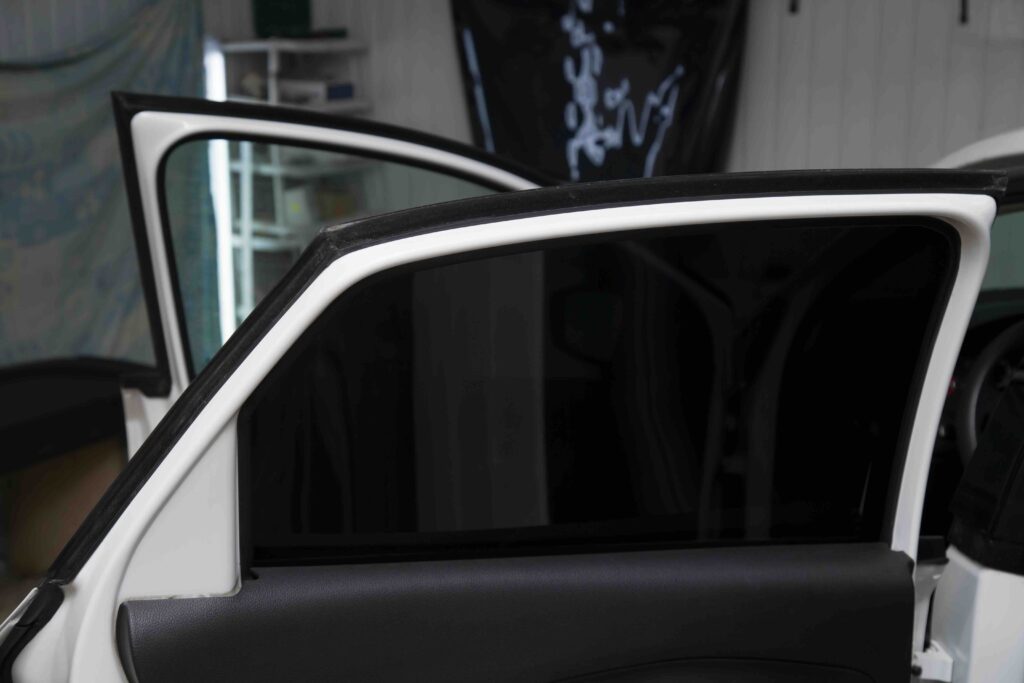
Guard your passenger’s skin from harmful UV rays with tinted side windows. In addition to this health benefit, side window tinting preserves your seats and other interior components while also providing privacy.
Frequently Asked Questions
What is the legal window tint limit under Oklahoma tint law?
Under Oklahoma tint law, passenger vehicles must allow at least 25% Visible Light Transmission (VLT) on the front side windows. This means Oklahoma drivers cannot install window tint darker than 25% on the front side windows. Oklahoma window tint laws are enforced statewide, so staying within legal tint limits helps avoid fines or inspection issues.
What does Oklahoma tint law allow for windshield window tint?
According to Oklahoma tint law, windshield window tint is allowed only above the AS-1 line or the top five inches of the windshield. Oklahoma window tint laws prohibit dark tint below this line, except for clear, non-reflective tint. This regulation helps maintain driver visibility while still offering sun protection.
Are there different Oklahoma tint laws for rear windows?
Yes, Oklahoma tint law allows any level of darkness on rear side windows and the rear windshield for passenger vehicles. While Oklahoma window tint laws are more flexible for rear windows, all tint must still comply with reflectivity rules and safety standards.
Does Oklahoma tint law restrict reflective or mirrored window tint?
Oklahoma tint law does limit how reflective window tint can be. Reflective or mirrored tint is restricted under Oklahoma window tint laws to prevent glare that could distract other drivers. Using excessively reflective window tint may result in a violation, even if the darkness level is legal.
Are medical exemptions allowed under Oklahoma tint law?
- Yes, Oklahoma tint law allows medical exemptions for darker window tint if approved documentation is provided. Drivers with medical conditions that require additional UV protection can legally exceed standard Oklahoma window tint limits when proper authorization is carried in the vehicle.
What happens if my vehicle does not comply with Oklahoma tint law?
If your vehicle does not meet Oklahoma tint law requirements, you may face citations, fines, or inspection issues. Oklahoma window tint laws are enforced by local and state law enforcement, and non-compliant tint may be required to be removed or replaced to meet legal standards.
Not sure which option to choose?
Regardless of the number of windows you choose to tint, you can rest assured that at Neighbors Window Tinting, you’ll drive away with a flawless tint job that offers numerous practical benefits while giving your car a sleek look.
Our professionals are here to give you personalized guidance for your needs and your vehicle.